Ready-to-Fly Drones · Shop by specification
Find the right ready-to-fly drones faster.
Choose the aircraft type and package format that matches how quickly you want to get flying.

The best FPV drone is the one that matches your experience, flying location, equipment ecosystem and willingness to repair it. Start with the use case, then choose RTF, BNF or self-build, followed by aircraft size, control/video systems and battery. Avoid choosing only from maximum speed, range or camera resolution.
| Route | Best for | You still need to verify |
|---|---|---|
| RTF | Beginners wanting a matched package | Included radio/goggles, batteries, charger, spare parts and upgrade limits |
| BNF | Pilots who already own compatible radio/video gear | Receiver protocol, goggles, firmware, region and battery |
| PNP | Builders adding their own receiver and sometimes video system | Installation space, UARTs, voltage and setup |
| Self-build | Users prioritizing repairability and exact component choice | Complete compatibility, tools, assembly and configuration skill |
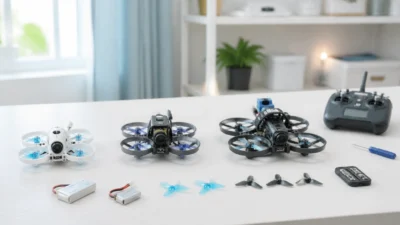
Tinywhoops suit controlled indoor practice because the propellers are protected and mass is low. Micro and cinewhoop aircraft cover compact outdoor or cinematic use. Five-inch freestyle quads carry much more energy and need suitable space, maintenance skill and local compliance. Long-range builds require reliable control/video links, GPS/failsafe planning and conservative battery reserve.
A 2.4 GHz label does not guarantee receiver compatibility. Record protocol, frequency, firmware and region. Analog and digital video systems also require matching receivers or goggles. Choose these ecosystems before ordering the aircraft because replacing them can add cost, weight and configuration work.
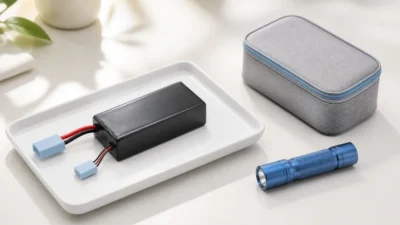
Cell count must match the motor, ESC and electronics. Capacity affects weight and handling, not only duration. Published flight time depends on payload, wind, throttle and battery condition. Use it as a test-condition result rather than a guarantee.
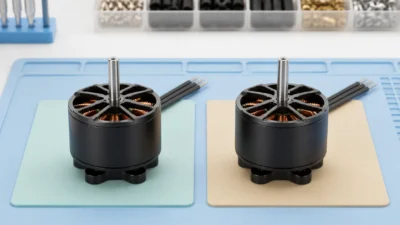
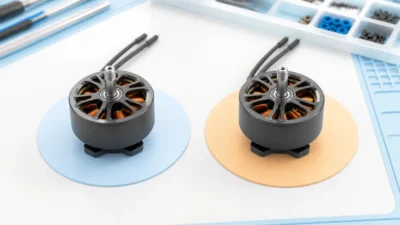
Check availability of propellers, arms, motors, canopy, antenna mounts and electronics. An integrated AIO reduces size but broadens replacement scope after a failure. A conventional stack can be easier to service. Review screw sizes, solder access, firmware target and whether parts are model-specific.
Browse FPV drones or start from the Beginner, 5-inch Freestyle, Cinewhoop or Long Range build path. If an unavailable model has the right concept but no stock, send WXBMW your skill level, radio, goggles, budget and flight goal.
A simulator and a lower-energy protected platform are usually more forgiving. A 5-inch quad requires suitable space, safety discipline and repair skill.
BNF is useful when you already own compatible equipment. RTF can reduce ecosystem decisions for a first setup, but package contents and upgrade limits still need checking.
Legal operation, reliable antennas, link quality, failsafe, navigation, battery reserve and the pilot’s ability to recover safely matter more than a single maximum-distance claim.
Next step after this guide
Use the guide to define the required specifications, verify the aircraft-level Build path, then compare current WXBMW parts. Recheck voltage, mounting, protocol, connector and load compatibility before ordering.
No in-stock WXBMW option is shown for this exact category right now. Use the specification-match request instead of assuming a nearby item is compatible.
No account yet?
Create an Account